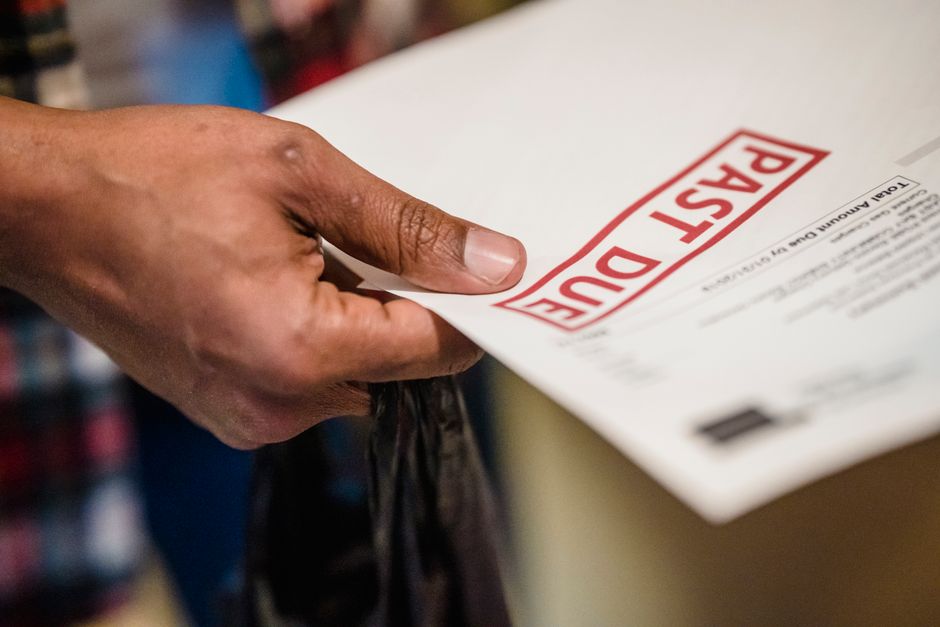
It’s a Tuesday night board meeting. Your cultural association’s treasurer pulls up the spreadsheet and reads the number everyone’s been avoiding: 18 of your 110 members haven’t paid their annual dues. The deadline was two months ago. A few names on the list are people who help set up chairs at every event. One is a founding member. One is the president’s cousin.
Nobody wants to say what happens next.
So nobody says anything. The meeting moves on to event planning, and those 18 names sit there, unpaid, untouched, slowly becoming the organization’s most expensive open secret.
If this sounds familiar, you’re not alone. (And if you want the big-picture version, our definitive guide to collecting membership dues covers the full system.) Here’s how to deal with this specific problem. Step by step. Person by person.
The Real Cost of Not Collecting
Here’s the number that should wake up every board. If 15% of your members don’t pay, and your annual dues are $75, and you have 100 members, that’s $1,125 in lost revenue. Every single year.
For a small organization running on $8,000 to $12,000 annually, that’s 10-14% of your budget. Gone. Not because someone stole it. Because nobody asked for it.
And it compounds. Members who don’t pay this year are less likely to pay next year. Members who see others not paying start wondering why they should. The 2025 Membership Marketing Benchmarking Report found that associations lose a median of 16% of their members each renewal cycle. A chunk of that loss starts with an unpaid invoice that nobody followed up on.
Non-collection isn’t just a budget problem. It’s a culture problem. Every unpaid dues notice that goes unchallenged tells your paying members that the rules don’t apply equally.
Why Members Don’t Pay: Three Buckets
Before you chase anyone, understand why they haven’t paid. The reason changes everything about your approach.
Bucket 1: They forgot. This is the biggest group. Research on lapsed members consistently shows that anywhere from 7% to a third of people who don’t renew simply forgot. They meant to pay. They got the email on a busy Tuesday, told themselves they’d do it later, and later never came. These members are the easiest to recover. A reminder is all they need.
Bucket 2: They can’t afford it. This one’s harder to spot because most people won’t volunteer the information. Early-career members, self-employed members, members between jobs, members on fixed incomes. For them, a $75 or $100 bill hits different than it does for someone with a steady paycheck. The American Medical Association recognized this and created a financial hardship exemption program, granting fee waivers to prior-year members who apply. Your organization doesn’t need to be the AMA to offer something similar.
Bucket 3: They’ve checked out. This is the quiet one. They haven’t attended an event in eight months. They don’t open the newsletter. They joined because a friend asked, came to two meetings, and drifted away. Paying dues would mean recommitting to something they’ve mentally left. For these members, the conversation isn’t really about money. It’s about engagement. And that’s a different problem with a different solution. If you want to dig into the psychology behind this drift, why clubs lose members at renewal covers it in detail, and why new members don’t renew looks at the first-year version of the same problem.
Knowing which bucket someone falls into determines whether you send a link, offer a payment plan, or have a real conversation about whether this organization still fits their life.
The 120-Day Collection Timeline
Winging it doesn’t work. Having a clear, written timeline does. Here’s one that balances persistence with respect.
Day 1-7: The Automated Reminder
The due date passes. An automated email goes out within the first week. Friendly tone, short message, payment link included.
“Hi [name], just a quick reminder that your [org name] dues for 2026 are still outstanding. You can pay in under a minute using the link below. Thanks for being part of our community.”
No guilt. No urgency language. Just a fact, a link, and a thank-you.
This single email will recover 30-50% of your unpaid members. Most of them are Bucket 1 people who genuinely forgot. Studies on automated dunning sequences show they can recover 50-80% of failed or forgotten payments when followed through consistently. For a deeper look at how to write these messages without sounding like a bill collector, see how to send dues reminders.
Day 30: The Second Notice
Same channel, slightly different tone. Acknowledge that the first one may have slipped past them.
“Hi [name], we sent a reminder a few weeks ago about your 2026 dues. We know things get busy. Here’s the payment link whenever you’re ready.”
Add one line about what the organization has been doing. A recent event, an upcoming program, something that reminds them why they’re a member. You’re reconnecting, not just billing.
Day 60: Personal Outreach
Automation ends here. A human being picks up the phone. Or sends a personal text. Or pulls them aside at the next meeting.
The shift matters. Two unanswered emails means one of two things: they’re avoiding it (Bucket 2 or 3), or they genuinely never saw the messages. Either way, a personal touch from someone they know changes the dynamic.
Keep it low-key. “Hey, I noticed your dues are still open. Everything okay?” That’s it. No prepared speech. No accusation. Just a check-in between two people who belong to the same community.
This is the step that most volunteer organizations skip entirely, and it’s the one that makes the biggest difference. The reason it gets skipped is volunteer burnout. Treasurers are already stretched thin. Adding personal debt-collection calls to their plate feels impossible. We’ll come back to how to fix that.
Day 90: Formal Written Notice
If personal outreach didn’t resolve it, send a formal notice. This one goes on letterhead (or at least comes from an official organizational email, not the treasurer’s personal Gmail).
The notice should include:
- The amount owed
- The original due date
- A reference to the organization’s dues policy (from your bylaws)
- A clear statement of what happens next if payment isn’t received
- A deadline (30 days from the notice)
- Contact information for questions or to discuss a payment arrangement
This isn’t mean. It’s clear. Clarity is kindness in money situations because it removes ambiguity and lets the member make an informed decision.
Day 120: Membership Suspension
If 120 days have passed with no response and no payment arrangement, it’s time to suspend membership benefits.
Suspension, not termination. The difference matters. A suspended member can reinstate by paying. A terminated member has to reapply. Suspension leaves the door open while making clear that membership has expectations.
Send a brief notification: “Your membership with [org name] has been suspended due to non-payment of dues. We value your participation and would welcome you back. To reinstate, please contact [treasurer] or pay your balance using the link below.”
Four touches over four months. More than reasonable.
Having the Conversation Without Destroying the Relationship
Here’s the part that keeps volunteer treasurers up at night. The person who hasn’t paid isn’t a stranger. They’re someone you know. Maybe someone you like.
A few principles that make it easier.
Assume good intent first. Start every conversation with the assumption that the person wants to pay and something got in the way. You’ll be right more than you’re wrong, and even when you’re not, the generous assumption keeps the tone productive.
Don’t apologize for asking. “Sorry to bother you, but…” undermines the legitimacy of what you’re doing. Collecting dues isn’t a bother. It’s how the organization survives. You’re doing your job. A better opener: “I wanted to check in about your dues for this year.”
Make it private. Never mention unpaid dues in a group setting, a group chat, or a public email. Ever. One-on-one only. This protects the member’s dignity and keeps the conversation from becoming organizational drama.
Listen for the real answer. If someone says “I’ll get to it,” that’s Bucket 1. Fine. If someone goes quiet or deflects, there’s something else going on. “Is there anything making it difficult right now?” opens a door that “When can we expect payment?” slams shut.
Separate the person from the policy. You aren’t deciding that dues must be paid. The organization’s bylaws decided that. You’re executing the policy the membership agreed to. It’s not personal. It’s structural.
When to Offer a Payment Plan (and When to Let Go)
Not every unpaid member needs the same response.
Offer a payment plan when: the member is engaged, participating, and hitting a temporary financial rough patch. Split the annual amount into two or three installments. Keep it simple. A $75 annual fee becomes $25 per month for three months. The American Bar Association offers discounted rates and dues waivers for members in specific hardship situations, like unemployment or military service. Your community organization can do the same thing on a smaller scale.
Offer a hardship waiver when: the member genuinely can’t afford dues and your organization can absorb the cost. This works best when it’s a formal, documented process. The member applies. The board (or treasurer) approves. It’s renewed annually. This keeps it fair and prevents the perception that some people just get to skip paying. If you’re thinking about building this into your dues structure, how to set membership dues that are fair and sustainable walks through sliding scales and hardship tiers.
Let someone go when: they’re disengaged, unresponsive after multiple contacts, and showing no interest in the organization beyond the name on their record. This isn’t punishment. It’s an honest acknowledgment that the relationship has run its course. People’s lives change. They move, they get busy, their interests shift. A clean exit is better for everyone than a roster full of ghost members who haven’t paid or participated in two years.
Letting go also matters for your numbers. An inflated membership count with 20 non-paying ghost members distorts your budget projections and your board’s understanding of how the organization is actually doing. Accuracy beats vanity. If you’re not sure how to tell engaged members from ghost members, measuring member engagement beyond dues can help.
The Policy You Need Before the Problem Happens
Every piece of advice above gets ten times harder if you don’t have a written policy. Without one, every non-payment becomes a judgment call. And judgment calls made by volunteers under social pressure tend to go one direction: do nothing.
Your bylaws should include a dues collection policy that covers:
- Due date and grace period. Be specific. “Dues are due January 1. A 30-day grace period applies.” Research from MemberZone found that four out of ten associations give a grace period of two to three months. Pick a length and put it in writing.
- Reminder schedule. State that the organization will send reminders at defined intervals. You don’t need to spell out every email in the bylaws, but the existence of a formal process should be documented.
- Suspension criteria. “Members whose dues remain unpaid 120 days after the due date, and who have not arranged a payment plan, will have their membership suspended.”
- Reinstatement process. How does a suspended member come back? Pay the balance? Reapply? Pay a late fee? Keep it simple, but write it down.
- Hardship provisions. “Members experiencing financial hardship may request a dues reduction or waiver by contacting the treasurer. Requests are reviewed confidentially by the board.”
State nonprofits have legal requirements around membership removal, and they vary by state. Your bylaws should outline clear procedures for both suspension and termination. If your organization is incorporated as a nonprofit, consult your state’s nonprofit corporation law before finalizing this section.
Once the policy exists, enforce it consistently. The worst outcome is a policy that’s applied to some members and ignored for others. That breeds resentment faster than having no policy at all.
Let Automation Handle the Awkward Part
Here’s the truth most treasurers won’t say out loud: the hardest part of collecting dues isn’t the money. It’s the social cost of asking.
When a volunteer has to personally chase 15 people for $75 each, every interaction carries weight. You’re asking a friend for money. You’re interrupting a neighbor’s evening. You’re wondering if they’re avoiding you at the meeting because of the text you sent. That emotional toll is a major driver of volunteer burnout, and it’s completely unnecessary for the first two stages of collection.
Automated reminders eliminate the personal sting from the process. The email comes from the organization, not from you. It goes out on a schedule, not when you remember. It includes the payment link so the member can handle it at midnight in their pajamas without either of you having an awkward exchange.
Automation handles Bucket 1 (forgot) almost entirely. Research on dunning sequences shows that automated payment reminders resolve the vast majority of overdue accounts without any human intervention. That frees the treasurer to spend their limited energy on Bucket 2 and Bucket 3 conversations, the ones that actually need a human touch.
If you’re still tracking dues in a spreadsheet, those automated reminders aren’t possible. You’re stuck doing everything manually, which means things fall through the cracks, which means money gets left on the table and relationships get strained for no reason. (The real cost of managing members in spreadsheets goes deeper on what that manual work actually costs your team.)
And if members are paying through personal Venmo or Zelle transfers, you’ve added another layer of confusion. No automatic record, no receipt, no way to know who’s paid without cross-referencing bank deposits against a roster. That’s a system worth replacing.
The ideal setup: members get a payment link. They pay online or offline. The system records it automatically. Reminders go out on schedule. The treasurer sees a dashboard showing who’s paid, who hasn’t, and who needs personal follow-up. The awkward work happens before a human ever gets involved. If you’re shopping for a tool that does this, how to choose membership management software breaks down what to look for.
The Goal Isn’t 100% Collection
Here’s something nobody tells new treasurers. You won’t collect from everyone. That’s okay.
Some members will leave. Some will stop responding. Some will pay six months late and sheepishly hand you a check at the holiday party. The goal isn’t perfection. The goal is a fair, consistent process that respects both the member and the organization.
A good collection process does three things. It recovers money from people who forgot. It creates space for people who need help. And it provides a dignified exit for people who’ve moved on.
If you can do those three things, your organization is ahead of almost every volunteer-run group out there.
Write the policy. Set up the reminders. Have the conversations when they’re needed. Your organization, and your relationships, will be better for it.
Tired of chasing dues payments by hand? Somiti automates reminders, tracks every payment, and shows you exactly who needs follow-up, so your treasurer can stop being a bill collector and start being a community builder. Take a look.